March 1, 2026
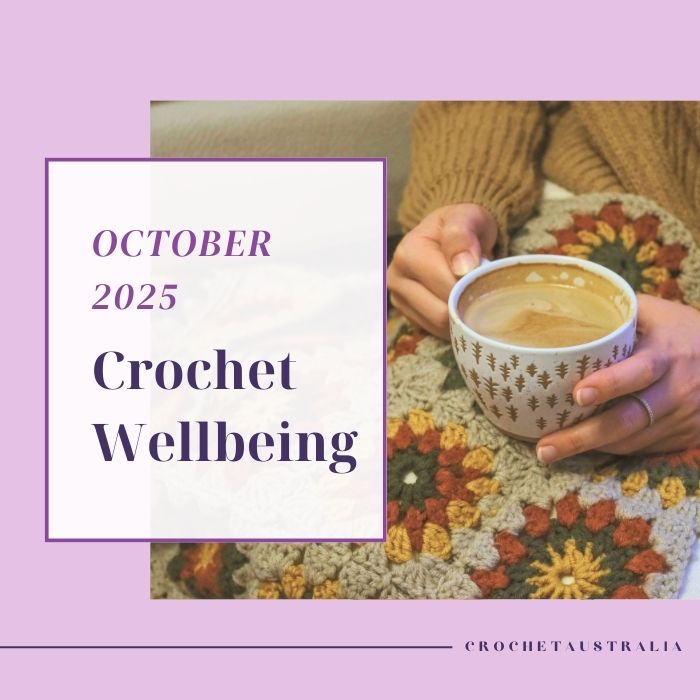
This October, as we acknowledge World Mental Health Day on the 10th of October, we’re shining a spotlight on Crochet Wellbeing by exploring how crochet supports both our mental and physical health. Crochet is more than just a creative pastime; it’s a mindful activity that can bring calm to the mind while also offering benefits for the body.
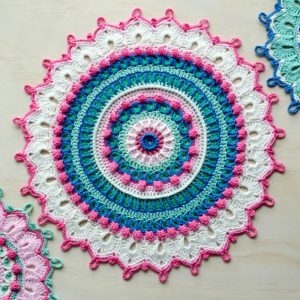
The rhythm of crochet stitches creates a meditative flow that helps reduce stress and anxiety. The gentle repetition provides a sense of calm, allowing the mind to slow down and focus on the present moment. Finishing a project, no matter how big or small, also provides a boost of achievement and self-confidence, giving us a reminder of what we can accomplish with patience and persistence.
Crochet also encourages connection. Whether you join a local crochet class, participate in a crochet-along, or share your work online, the crochet community offers encouragement, support, and a sense of belonging. This connection is especially valuable for reducing feelings of isolation and boosting emotional wellbeing.
And that’s not just our opinion. A study published earlier this year in Italy looked at the effect of crochet on brain function and alertness. They concluded that found that even 1 single 20minute crochet session can boost attention and increase the information exchange between different areas of the brain. You can read the full study here.
Crochet may not seem physically demanding, but it offers surprising benefits for the body too. The fine motor skills required help keep hands and fingers nimble, while the gentle movement can promote joint flexibility. Many crocheters find that short, regular sessions can ease stiffness in the hands and even improve dexterity.
Posture is also important — sitting comfortably with good support can make a big difference during longer crochet sessions. Using ergonomic hooks, good lighting, and taking regular breaks to stretch your hands, wrists, shoulders, and neck can prevent strain and help you crochet for years to come without discomfort.
Incorporating crochet into your daily routine, even for just 10–15 minutes, can create a grounding ritual. It can be as simple as working a few rows during your morning tea break or winding down with a project before bed. Pairing crochet with calming music, a cup of tea, or quiet time away from screens can enhance its restorative effects.
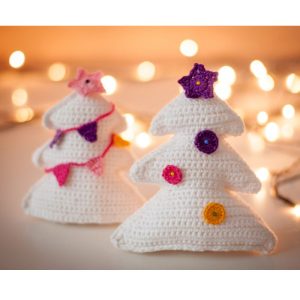 Stress-Free Christmas Prep
Another way crochet contributes to your wellbeing is by helping you prepare for busy times, like the upcoming festive season. Christmas can be both joyful and overwhelming, but starting your handmade gifts and decorations now can make all the difference. By spreading projects across the next couple of months, you’ll reduce the last-minute rush and enjoy the process instead of feeling pressured.
Small, manageable projects such as ornaments, coasters, or dishcloths are quick to complete and can be made in batches. Larger projects like blankets or shawls become less daunting when started early, allowing you to crochet at a comfortable pace. Planning ahead ensures your Christmas making is a source of joy, not stress.
Not sure where to start? Try:
On World Mental Health Day and beyond, remember that crochet is more than a craft, it’s a form of self-care. By combining creativity with mindfulness, physical movement, and thoughtful planning, crochet can nurture both body and mind.
So, take a moment for yourself, pick up your hook, and let your stitches become a pathway to balance, comfort, and wellbeing — and maybe even get a head start on a calm and joyful Christmas.
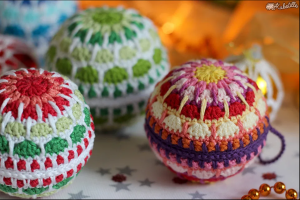
To start off your stress-free Christmas prep, we have a free pattern for you for Mandala Christmas baubles, designed by Kakotille Maillalenvers.
For this pattern, use a mercerised cotton yarn in a 4-5 ply with a 2.5mm or 3mm hook. We suggest using
Scheepjes Catona, Scheepjes Catona Chroma, Madame Tricote Almina, or Fiddlesticks Posie.