March 1, 2026
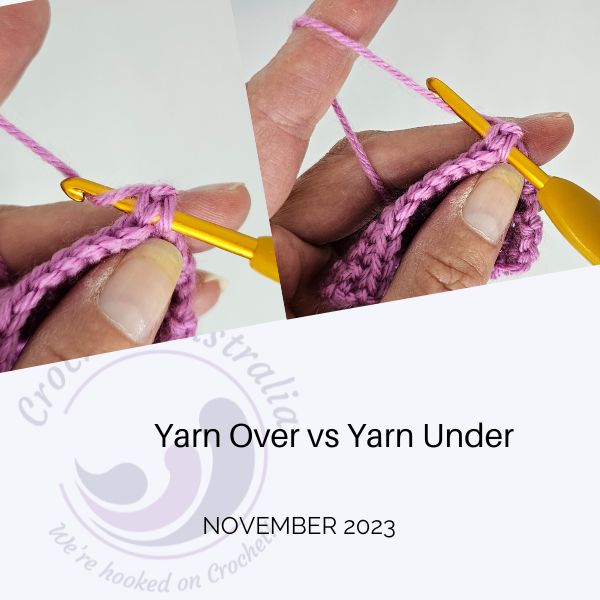
Have you ever looked at someone crocheting and thought – ‘they do that weird?’ But you can’t figure out why? Or looked at the work someone does and the stitches look different to yours? I’m not talking about left-handers here! Some of this could be due to using the yarn under technique rather than the yarn over technique.
For those who read my tip in 2018 when I first talked about this, you may remember I mentioned that I had only ever used the yarn over technique, while my mother had only ever used the yarn under technique. This was a surprise as she had taught me to crochet at a young age! And it did go a long way to explaining why I had difficulty helping her with certain stitches. But once I worked that out, it was easy to help her.
Is there a correct way? No! Like many things in crochet there is no one correct way. However, the yarn over is what I would call the more ‘common way’. As each method will produce different results, understanding which method you use will help you understand why your finished projects look different to other people or even the designer!
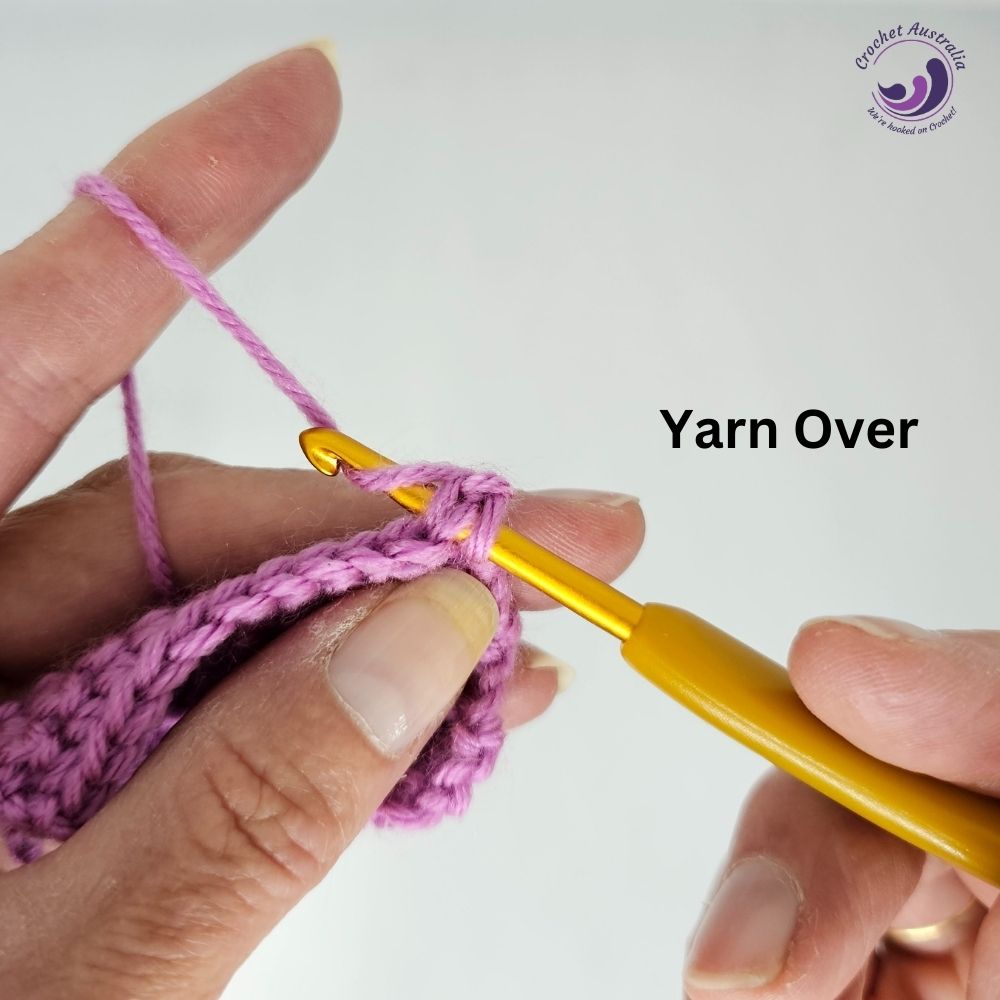
Yarn Over – When you push your hook through the stitch to ‘grab the yarn’ the hook sits in front of the yarn and you push your hook under the yarn then loop the yarn over the hook from the back to the front, and pull it back through the stitch.
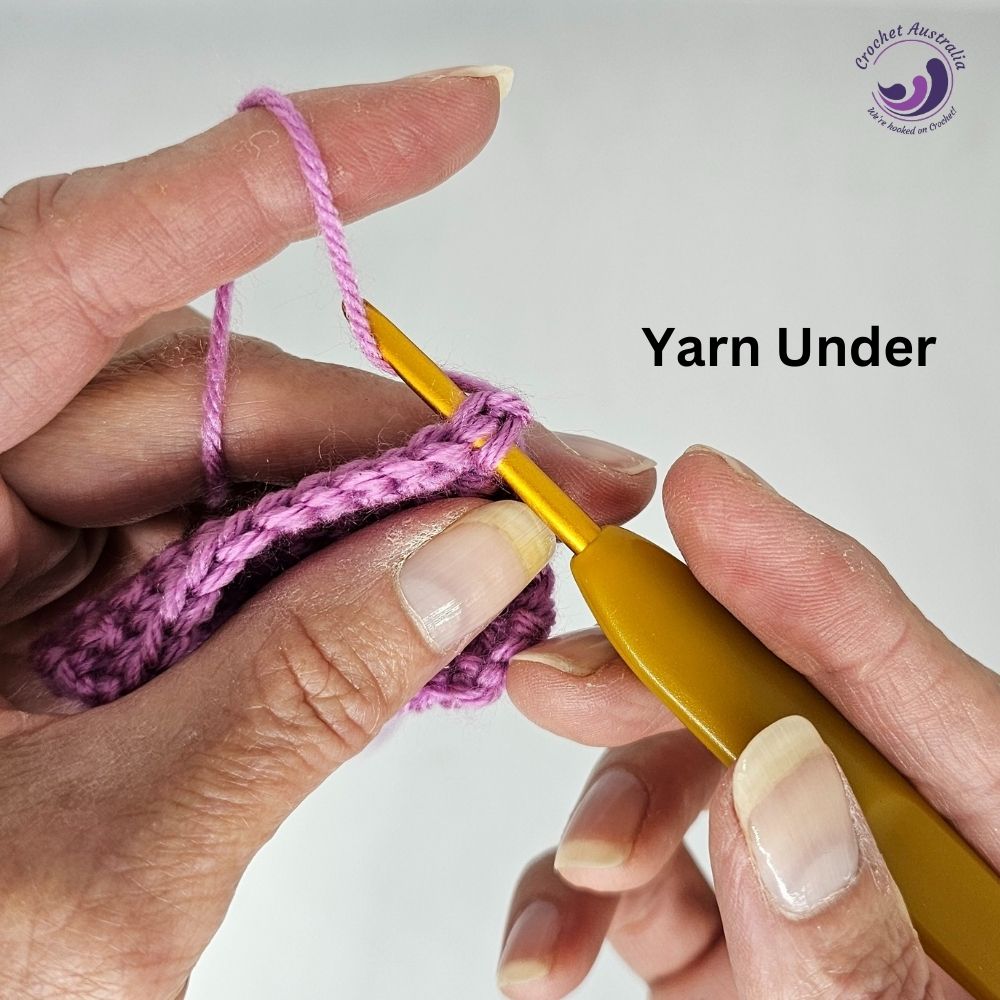
 Yarn Under – When you push your hook through the stitch to ‘grab the yarn’ the hook goes over the top of the yarn then pull the yarn back through the stitch. You never really wrap the yarn over at all.
 Does it really matter?
By using yarn under versus yarn over four differences arise.
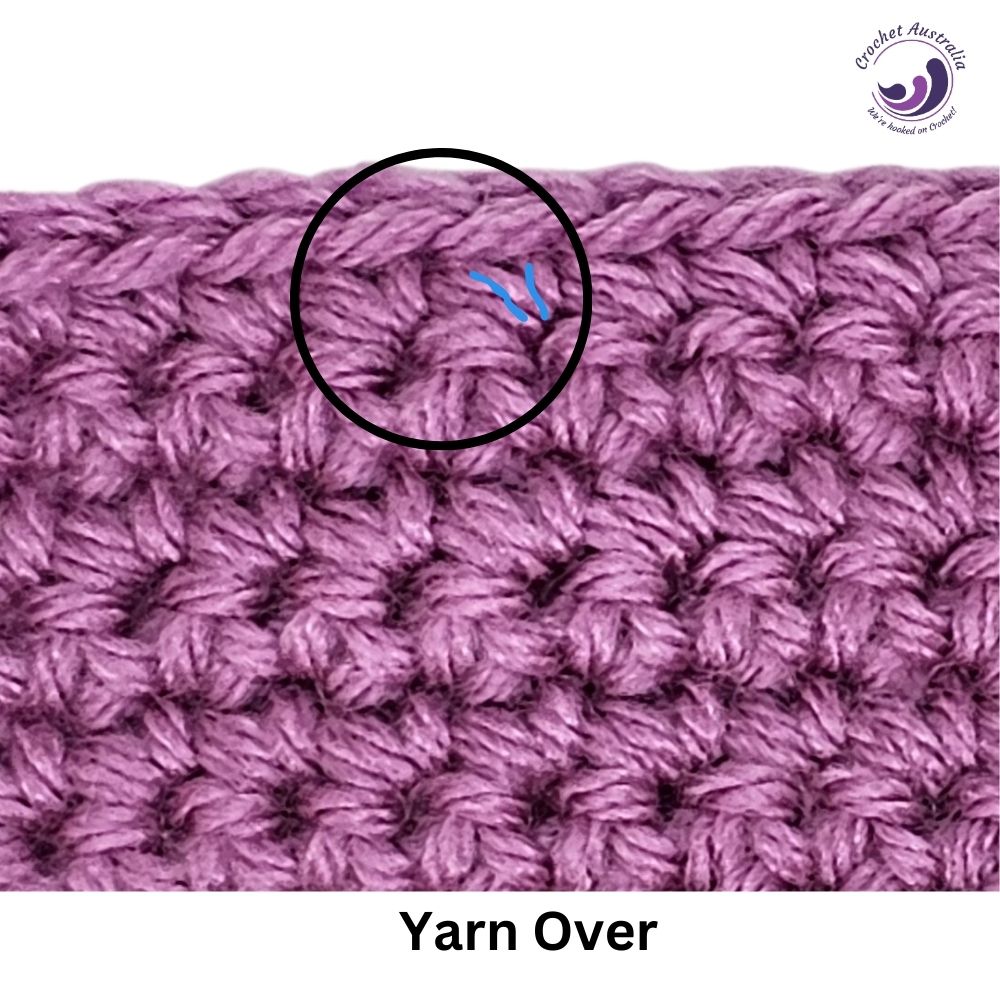
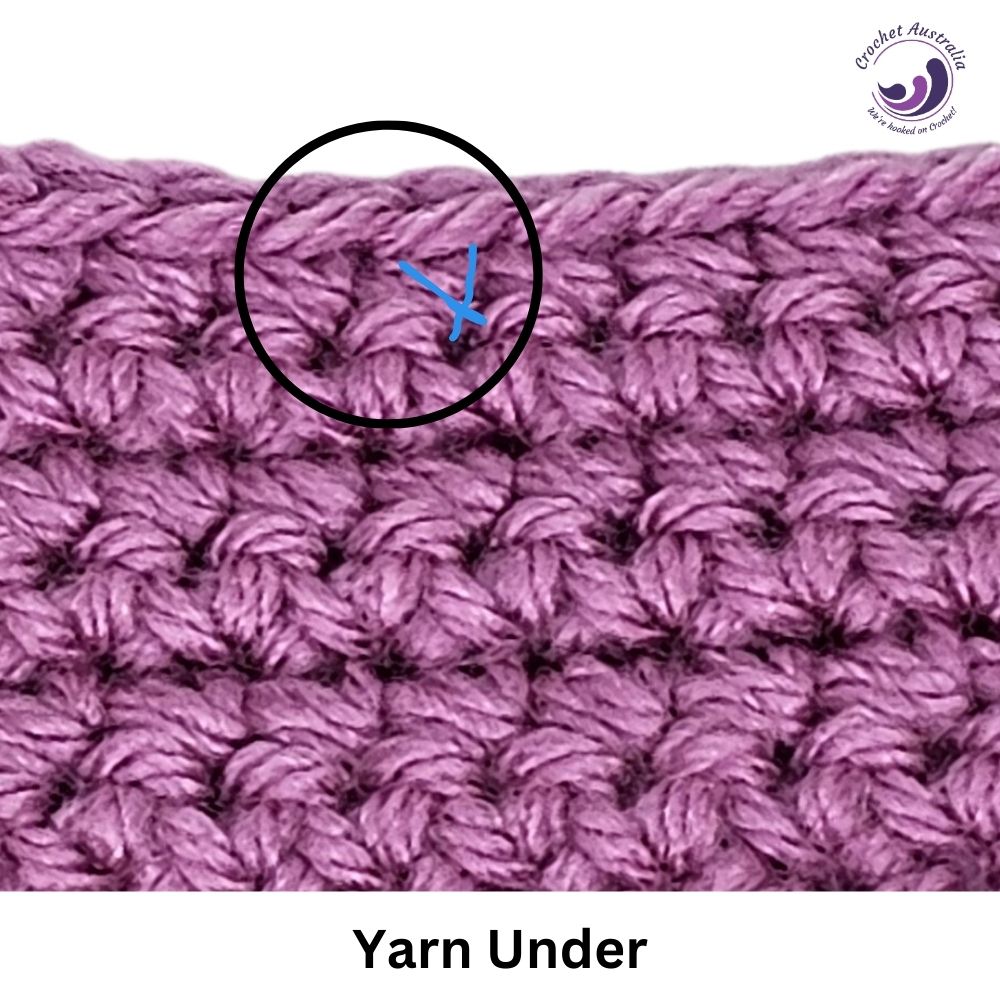
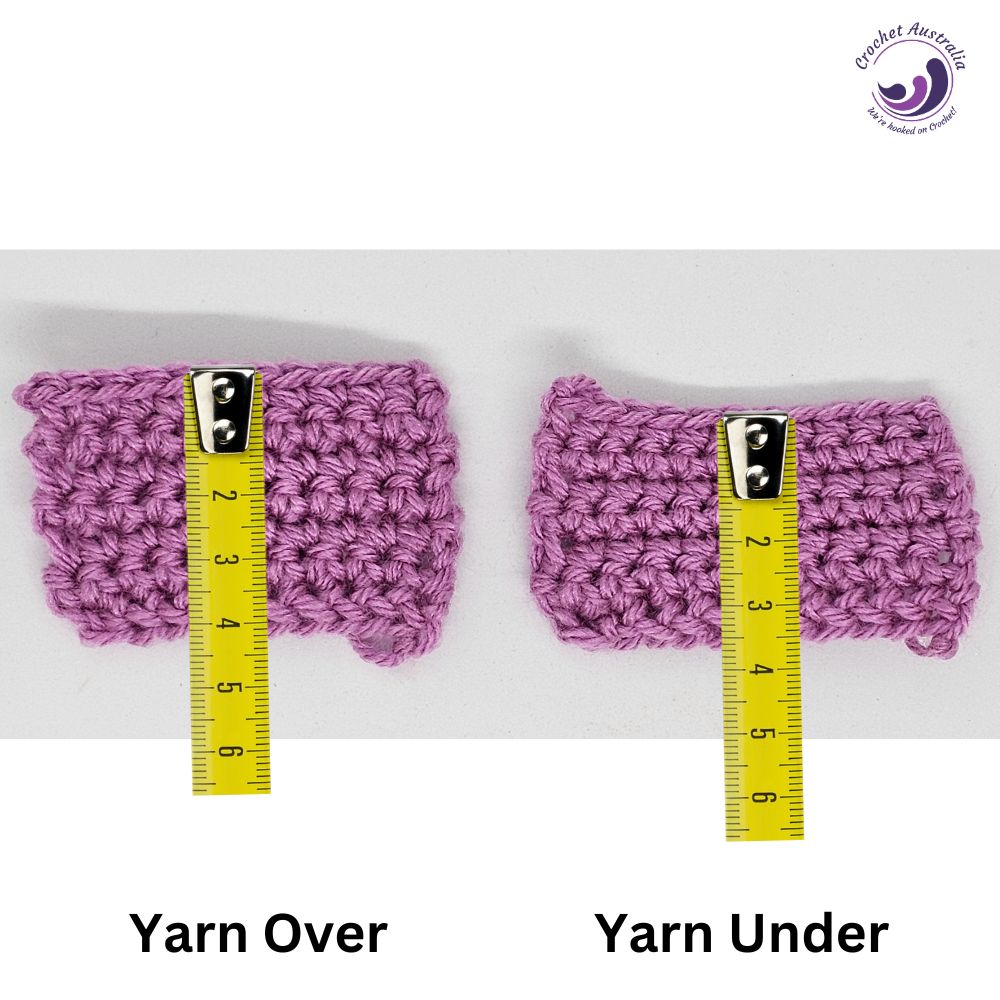
While the yarn over technique is preferred and considered the ‘norm’, the yarn under technique is considered more beneficial in two situations:
The most important aspect with your crochet is being aware of which method you use and why!
If you haven’t been aware of which method you were using, take a look at what you do and consider if changing it will help you overcome some of the obstacles you have encountered.
But most importantly, be consistent with the technique in your project!